
Mold Is Often a Second Job Hiding Inside the First
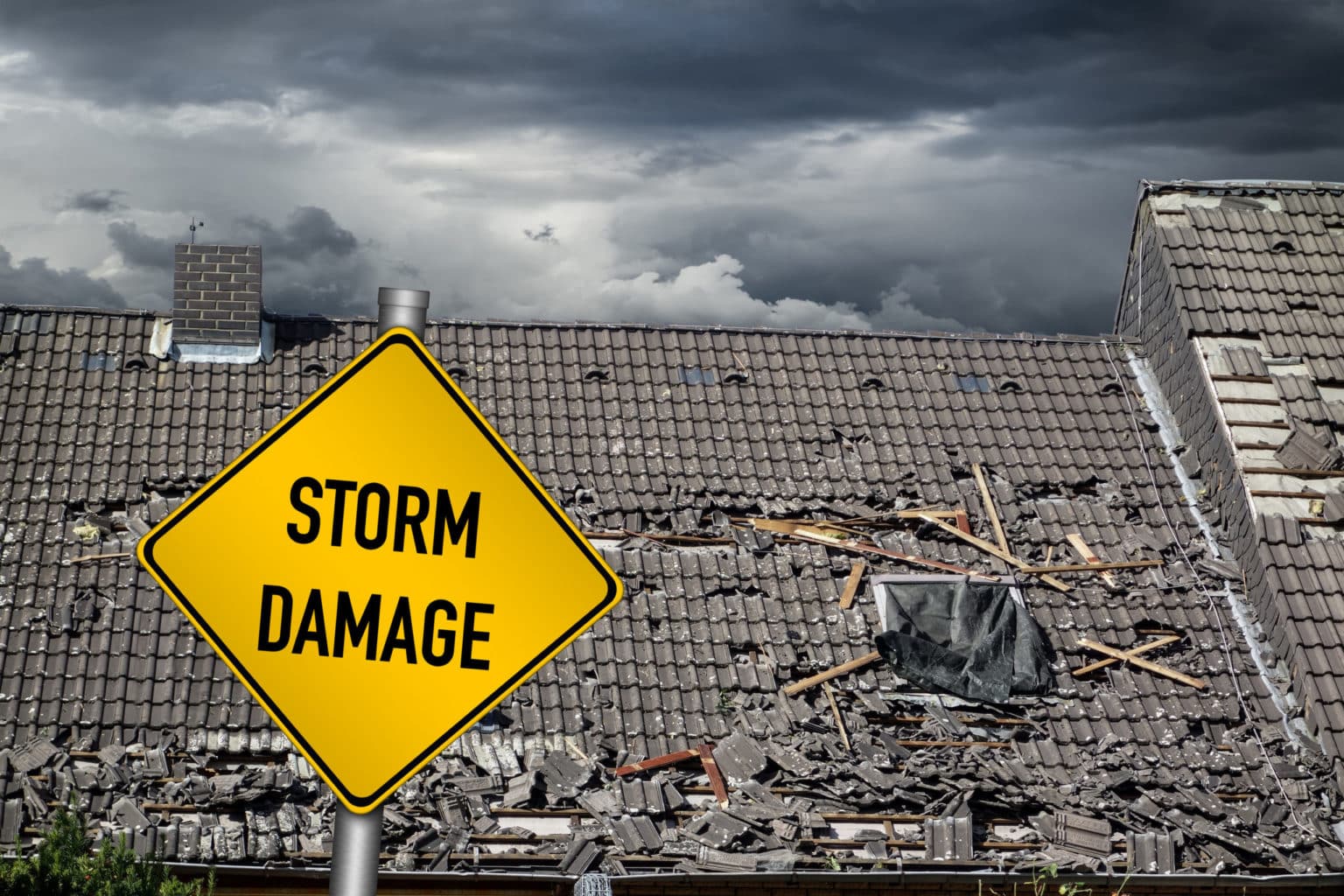
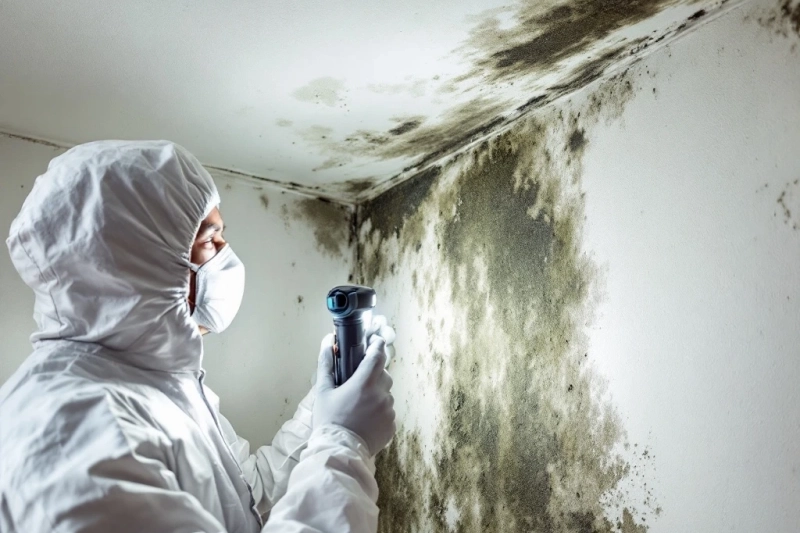
Most mold problems homeowners deal with didn't start with mold — they started with a roof leak, a flood, a hurricane, or prolonged moisture exposure that went unaddressed. By the time a homeowner notices visible mold growth or a musty smell, there's usually already been weeks or months of moisture sitting somewhere it shouldn't be. For roofing and restoration contractors, this means mold leads are rarely a standalone category — they're frequently a downstream result of storm or water damage your business may already be addressing.
Why Mold Lead Generation Requires Different Qualification
Generating mold leads effectively means qualifying for a different set of signals than a typical roofing lead:
- Whether the mold is visible or suspected based on smell, allergy symptoms, or past water damage
- The likely source — roof leak, flood, plumbing, or general humidity/ventilation issues
- Whether an insurance claim covers the underlying cause (many policies exclude mold unless tied to a covered event like storm damage)
- Urgency — health concerns often make mold homeowners more time-sensitive than typical repair inquiries
The Storm Connection Most Contractors Miss
Every major hail, hurricane, wind, or flood event that damages a roof creates a delayed wave of mold-related inquiries in the following weeks, as moisture that entered during the storm has time to develop into visible mold growth. Contractors who only think about storm response in the immediate aftermath are missing a second, later opportunity from the same homeowner base — often with far less competition, since fewer contractors are actively marketing for mold-specific leads.
Positioning for Mold Leads as a Roofing-Adjacent Business
Contractors don't need to become full-scale mold remediation specialists to benefit from this lead category. Many successful models include:
- Offering initial mold assessment and referring specialized remediation to a trusted partner, capturing lead value either way
- Bundling roof leak repair with basic mold treatment for smaller-scale cases
- Using mold inquiries as a natural entry point to also inspect and quote roofing repair, since the root cause is often roof-related
What Homeowners Expect From This Conversation
Homeowners dealing with mold are often anxious, sometimes dealing with health concerns for family members, and unsure whether their insurance will help cover the cost. A contractor — or the call center qualifying the lead — who can calmly walk through what's likely covered, what the remediation process involves, and how roofing repair fits into preventing recurrence builds significantly more trust than one focused purely on scheduling a sale.
The Bottom Line
Mold remediation leads represent an underused extension of the same storm and water damage events already driving roofing demand. Contractors who treat mold as a natural follow-on category — rather than an unrelated service line — capture more value from every storm event and every homeowner relationship they've already started.
Get mold and water damage leads generated from the same storm events driving your roofing pipeline — Get Mold Leads


