
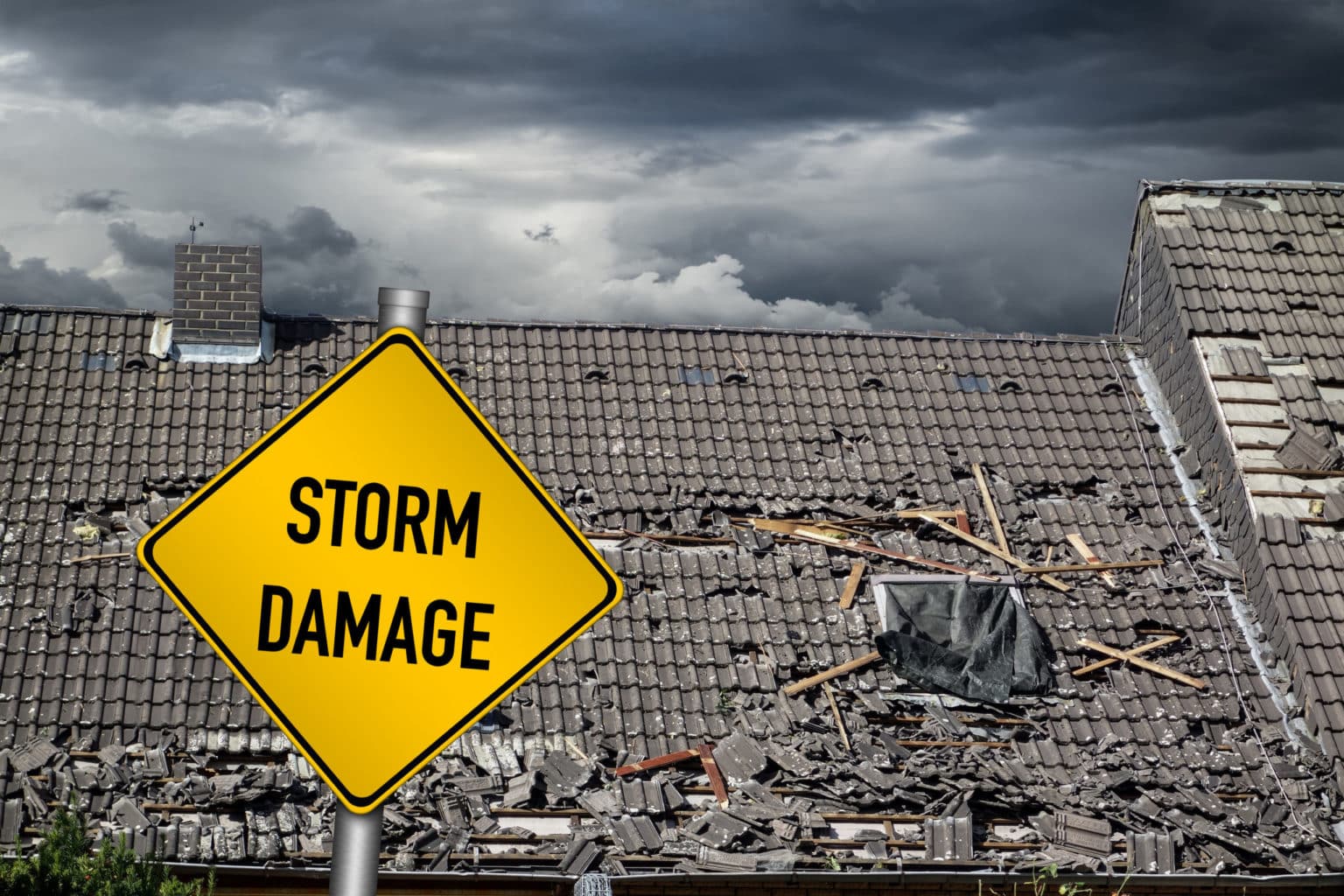
Hurricane Season Creates a Predictable Demand Spike
Unlike hail or tornado damage, which strikes with little warning, hurricane season follows a known calendar window — roughly June through November in most affected regions. This predictability is an advantage most contractors underuse: instead of scrambling for capacity and leads after a storm hits, roofing businesses can prepare their crews, materials, and lead pipeline in advance.
Why Being Ready Before the Storm Matters More Than After
The contractors who capture the most hurricane-related work aren't necessarily the largest — they're the ones who can mobilize fastest once damage reports start coming in. Materials get harder to source, subcontractor availability tightens, and homeowner attention becomes a competitive race within days of the storm. Preparation before the season starts determines who's positioned to move quickly when it counts.
Building Crew Capacity Ahead of Season
- Confirm subcontractor and crew availability commitments before hurricane season begins, not after a storm is already forecast
- Pre-negotiate material supply agreements to avoid delays once regional demand spikes
- Cross-train crews on both repair and full replacement work, since hurricane damage severity varies widely by property
- Have a documented insurance claim support process ready, since hurricane-affected homeowners frequently rely on claims to fund repairs
Setting Up a Lead Pipeline Before Storms Hit
Waiting until a hurricane makes landfall to start looking for leads puts a contractor behind competitors who already have a system in place. A stronger approach includes:
- Establishing a relationship with a lead source that can activate quickly in affected zip codes
- Defining service area coverage in advance so leads can be targeted the moment a storm path is known
- Having appointment-scheduling capacity ready so qualified homeowners aren't left waiting for a callback during peak demand
What Happens in the Days Immediately After Landfall
The highest-intent period for hurricane roofing leads is typically the first one to two weeks after a storm makes landfall, while damage is visible and insurance claims are being filed. During this window, homeowners are actively comparing contractors, and response speed becomes the deciding factor far more than in a normal sales cycle.
Don't Overlook Secondary Damage Categories
Hurricanes rarely cause roof damage in isolation. Wind uplift, water intrusion, and downstream mold growth often follow the same storm event, creating opportunities for contractors who also offer or partner on restoration and mold remediation services alongside roofing repair.
Hurricane season rewards preparation. Contractors who lock in crew capacity, material supply, and a reliable lead pipeline before the season starts are positioned to respond fast when storms hit — turning a predictable seasonal event into a consistent revenue opportunity rather than a reactive scramble.
Get hurricane storm leads targeted to your coverage area, ready before and after landfall — Set Up Your Coverage Area


